

Table of Contents
The Problem of Green Oxidation on Nice Frames
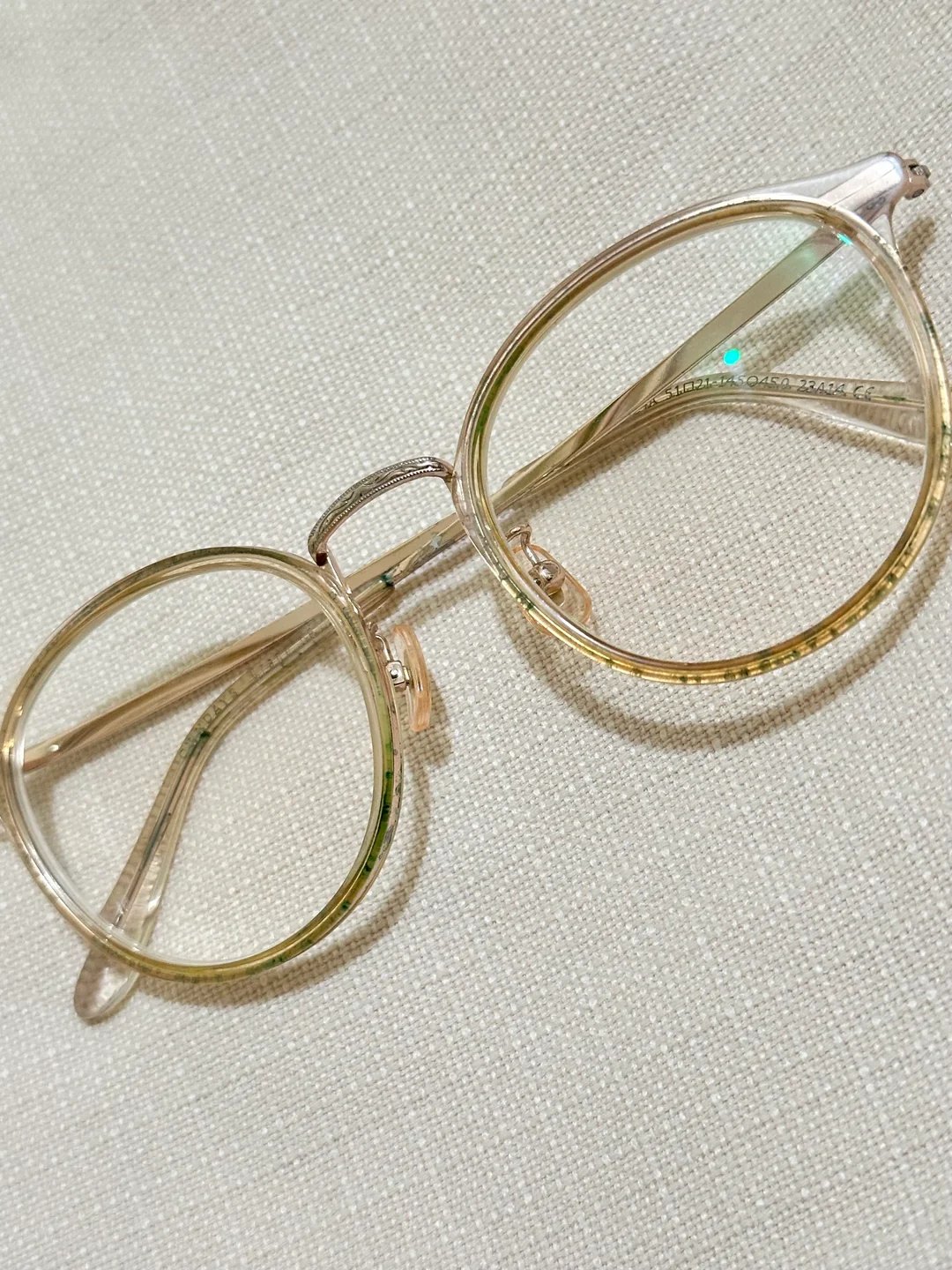
There’s nothing more frustrating than spotting a green tint creeping along your designer glasses frames. Often forming near the nose pads or hinges, this green residue isn’t just unsightly — it can signal underlying metal oxidation. Even your high quality eyeglasses aren’t immune, and understanding the cause is the first step to keeping your spects stylish and spotless.
Why This Guide Matters for Designer Glasses Owners
Whether you wear Ray-Bans, Prada frames, or custom-made sunglasses for Aura-farming in front of your mates, knowing how to care for your eyewear is quite essential to maintain both their structural integrity and aesthetics. From magnetic glasses frames to intricate eye styles, regular maintenance prevents discoloration, green gunk, and potential corrosion that may compromise lens coatings or delicate metal components.
The Green Problem: What Causes Oxidation on Designer Frames
The green residue we notice on our special glass frames is usually verdigris, formed when copper alloys in metal frames react with sweat, skin oils, and environmental moisture. This chemical reaction produces copper salts or green copper oxide, which can transfer to your nose pads, temples, and even fingers. Factors that speed it up include:
- Frequent exposure to sweat and oils
- Use of lotions or cosmetics that trap moisture
- Poor storage or high-humidity environment
- Metal alloy composition, especially if frames contain nickel alloy or brass
What Is Green Oxidation (Verdigris)?
Green oxidation is a natural process that occurs on metals like copper, brass, and bronze. On designer sunglasses and metal glasses, it appears as a blue-green patina. It usually is harmless in small amounts, but it may cause discolouration, irritation, and aesthetic issues if left untreated.
Where green stuff on glasses usually show up?
- Nose pads and nose piece areas
- Hinges and screws
- Temples and ends of metal components
- Edges of lens coatings or near decorative elements
Questions Eyewear Owners Ask
What is the green gunk on glasses that forms near nose piece?
On a hot, sunny dusty day, who would not like to wear their aesthetic spects? Probably no one. Under the scorching heat of this shiny sun, our glasses successfully protect us from the dazzling rays of the sun, but with all the sweat and skin oils piling up on our foreheads, it contaminates our glasses too. When the same glasses are placed at their original place without cleaning them, the residual oils and sweat reacts with copper alloys and prolonged contact results in metal oxidation and formation of green residue.
Why are my glasses frames turning green?
Repeated and prolonged contact with sweat, skin oils, salts, and environmental moisture triggers corrosion, leaving behind green gunk and discolouration. It not only decreases the life of our glasses but ruin the whole aesthetics of the designers too!
How do you remove oxidation from glasses?
You’ll find a full step-by-step cleaning guide below. Proper care involves gentle cleaning, safe chemical solutions like vinegar or baking soda, and attention to delicate frame parts.
Cleaning Supplies for Designer Eyewear
Before you start, gather:
- Microfiber cloth for wiping
- Mild soap or lens cleaning solution
- Soft lens brush or toothbrush
- White vinegar or lemon juice
- Baking soda for tough spots
- Alcohol wipes for silicone nose pads
- Tweezers or small screwdriver if needed
Soft Tools for Delicate Frames
Use only gentle materials on high quality eyeglasses, especially for coated metals or lens coatings. Avoid abrasives that can scratch lenses or remove protective layers.
Safe Cleaning Solutions for Lenses and Frames
- Lukewarm water and mild soap for light cleaning
- Diluted vinegar for tougher green gunk
- Baking soda paste for stubborn metal oxidation
- Alcohol wipes on silicone or rubber nosepiece
Step-by-Step: Guide to Clean Green Oxidation from Designer Glasses
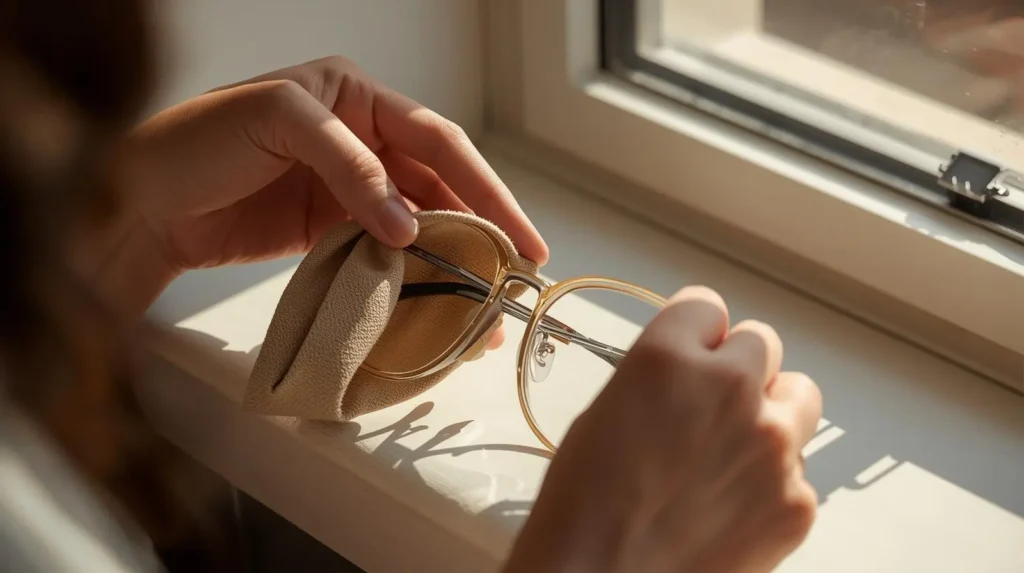
Clean the Frames First
- Rinse frames under lukewarm water for a min.
- Apply mild soap or lens cleaning solution (whichever is available).
- Wipe with a microfiber cloth, focusing on nose pads and hinges.
Remove the Green Stuff
- Soak metal components in 50:50 white vinegar solution for 5–15 minutes
- Use a soft brush or lens brush to scrub green residue
- Apply a baking soda paste for stubborn spots, leave for 20–30 minutes, then rinse
Special Tips for Different Designer Glasses Materials
- Titanium glasses and stainless steel resist corrosion; just wipe with soapy water
- Magnetic glasses frames: remove magnets or hinges before soaking
- Coated metals: avoid prolonged exposure to acids, rinse thoroughly
Check and Dry the Frames
- Inspect nose pads, screws, and edges for leftover green gunk
- Dry completely with a clean microfiber cloth to prevent discoloration
When to Get Expert Help
If green oxidation persists or affects lens coatings, seek professional cleaning services from opticians or optical shops. They may use an ultrasonic cleanser or compressed air to safely remove copper verdigris without damaging your high quality eyeglasses.
How to prevent green stuff on glasses?
Daily Care That Lasts
- Wipe spects after those messy workouts to remove sweat and skin oils
- Clean regularly with soapy water and a microfiber cloth
Store Properly
- Use a plastic sleeve or hard case
- Avoid humid or damp environments
Know Frame Materials for Your Next Buy
- Titanium, stainless steel, and hypoallergenic materials resist corrosion
- Avoid cheap metal alloys that oxidize quickly
Conclusion
We all hate that green gunk on our glasses, but the best thing about this problem is it is quite manageable. With regular maintenance, careful cleaning, and occasional professional help, your spects, sunglasses, and eye styles can stay as youthful as you for years.
Remember, even the most luxurious custom-made sunglasses, Ray-Bans, Prada frames, or Oakley sunglasses benefit from gentle care, proper storage, and attention to nose pads and metal components.
Summary of Key Cleaning Tips: Understand, Use Gentle Methods, Ask Pros
- Identify green oxidation early, especially on nose pads
- Clean frames with soapy water, vinegar, or baking soda paste
- Protect delicate parts and lens coatings
- Seek professional help if needed
- Maintain daily to prevent recurrence
1 Comment
Your post clarified many misconceptions. I appreciate the clarity.